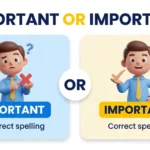
Pedal or peddle depends on meaning: pedal relates to a foot-operated part or moving a bike, while peddle means to sell or promote something, often by going from place to place.
Have you ever typed a sentence and stopped at one tiny question: “Is it pedal or peddle?”
You are not alone. These two words sound almost the same. They also share the same first letters. That makes them easy to mix up, even when you know their meanings.
The good news is simple: pedal and peddle have very different jobs.
Think about a bicycle. You pedal it. Think about someone selling goods on the street. They may peddle those goods.
That one idea can solve most spelling problems.
Still, the confusion goes deeper. Pedal can work as both a noun and a verb. Peddle is mainly a verb. It can also appear in phrases such as “peddling false claims,” where it means promoting or spreading something.
This guide breaks down the difference in plain English. You will learn the meanings, history, common mistakes, examples, and a few easy memory tricks.
By the end, choosing the right word should feel automatic.
Pedal or Peddle
Use pedal when you mean:
- A part you press with your foot.
- Moving a bicycle by pushing its pedals.
- Operating something with a foot control.
Examples:
- I pressed the brake pedal.
- She learned to pedal her bike.
- Keep your foot off the gas pedal.
Use peddle when you mean:
- To sell something.
- To promote or push an idea.
- To spread something, especially something doubtful or unwanted.
Examples:
- Vendors peddle fruit in the market.
- The company was accused of peddling false claims.
- He tried to peddle cheap watches to tourists.
The easiest memory trick
Pedal = feet.
Peddle = sell.
The extra d in peddle can remind you of deals. You make deals when you sell things.
That is not the history of the word. It is simply a handy spelling trick.
The Origin and Background of Pedal or Peddle
The two words look alike, but they come from different language histories.
Pedal is linked to the Latin word pes, meaning “foot.” This makes sense because a pedal is something you operate with your foot.
The word later developed through forms related to the foot and foot-operated devices. Today, we use it for bicycle pedals, car pedals, piano pedals, and many other controls.
Peddle has a different story. It is connected with the old idea of traveling around to sell goods. A peddler was a person who moved from place to place selling items.
Over time, peddle gained a wider meaning.
You can peddle physical goods. You can also peddle ideas, rumors, or claims.
For example:
The website tried to peddle a false story.
Nobody is selling a physical product here. The word means promoting or pushing an idea.
This difference explains why the spelling matters. The words may sound similar, but they describe very different actions.
Pedal or Peddle Explained: Key Differences
Here is the clearest way to compare them:
| Term | Meaning | When to Use | Region/Context |
|---|---|---|---|
| Pedal | A foot-operated part | Bikes, cars, machines, instruments | Standard English |
| Pedal | To move by using pedals | Cycling | Standard English |
| Peddle | To sell goods | Selling products, often informally | Standard English |
| Peddle | To promote or spread something | Ideas, claims, rumors, stories | Standard English |
| Peddler | A person who sells goods | A traveling or informal seller | Standard English |
Example 1: Bicycle
Correct:
I need to pedal faster.
Incorrect:
I need to peddle faster.
You are using your feet to move the bike. So the correct word is pedal.
Example 2: Selling products
Correct:
Street vendors peddle snacks to tourists.
You are talking about selling. Therefore, use peddle.
Example 3: Promoting an idea
Correct:
The influencer was accused of peddling misinformation.
Here, peddling means promoting or spreading something.
Which Version Should You Use?
The best choice depends on what you mean.
If you are writing about bikes
Use pedal.
He began to pedal down the road.
Her bicycle has new pedals.
If you are writing about cars
Use pedal.
Press the brake pedal gently.
If you are writing about music
Use pedal.
The pianist pressed the sustain pedal.
If you are writing about selling
Use peddle.
The merchant peddles handmade goods.
If you are writing about claims or ideas
Use peddle.
They continue to peddle the same old rumor.
If you want a neutral word for selling
You may prefer sell, especially in formal writing.
For example:
The company sells software to small businesses.
This is often clearer than:
The company peddles software to small businesses.
Peddle can sometimes suggest aggressive, informal, or questionable selling. Context matters.
Common Mistakes with Pedal or Peddle
These errors are common because the words sound alike.
| Mistake | Correction | Why? |
|---|---|---|
| She peddled her bicycle. | She pedaled her bicycle. | Cycling uses pedal. |
| He pressed the brake peddle. | He pressed the brake pedal. | A foot control is a pedal. |
| They pedaled cheap goods. | They peddled cheap goods. | Selling is peddling. |
| He pedals false claims. | He peddles false claims. | Promoting claims uses peddle. |
| A bike peddler sells bicycles. | A bike pedaler rides a bike. | The words describe different actions. |
Mistake 1: “Peddle a bike”
This is one of the most common errors.
Say:
Pedal a bike.
Not:
Peddle a bike.
Mistake 2: “Pedal products”
If you mean selling products, use peddle.
They peddle handmade crafts.
However, pedal can be used figuratively in some contexts, especially in phrases such as “pedal a message,” but this is uncommon and can sound unusual. For clear writing, peddle is the safer choice when you mean promote or sell.
Mistake 3: Confusing “pedal” with “pedal to the metal”
The phrase “pedal to the metal” refers to pressing a vehicle’s accelerator pedal hard.
It is often written informally as a phrase meaning “go as fast or as hard as possible.”
The word is still pedal, not peddle.
Pedal or Peddle in Real World Examples
Seeing the words in context makes the difference easier to remember.
Professional Email
Subject: Bicycle Safety Reminder
Please remember to check your brake pedals before the cycling event.
Here, pedals refers to a part of the bicycle.
For a sales email:
Our team does not peddle products through unsolicited messages.
Here, peddle means sell.
News Headline
Local Vendors Peddle Fresh Produce at Weekend Market
The headline is about selling goods. Therefore, peddle fits.
Another example:
Cyclists Pedal Through City Streets for Charity
The people are riding bicycles. Therefore, pedal is correct.
Social Media Post
“Finally learned to pedal without training wheels!”
This is a natural use of pedal.
A different post might say:
“Be careful about accounts that peddle fake health claims.”
Here, peddle means promote or spread.
Formal Report
“The study found that several websites continued to peddle unsupported claims.”
This works in formal writing because the word clearly means promote.
For a machine report:
“The operator should press the brake pedal before stopping the machine.”
Again, pedal refers to a foot-operated control.
Pedal or Peddle: Data, Trends & Usage
The search intent behind “pedal or peddle” is mainly informational.
People usually search the phrase when they are unsure which spelling belongs in a sentence. This makes it a classic commonly confused words query.
The confusion is easy to understand. English has many words that sound alike but have different spellings and meanings. Pedal and peddle are a good example.
The words also appear in different settings.
Pedal is common in:
- Cycling.
- Driving.
- Music.
- Machines.
- Foot-operated controls.
Peddle is common in:
- Sales.
- Street markets.
- Advertising.
- Rumors.
- Claims and ideas.
One useful insight is that peddle often carries an extra tone. It can suggest that someone is pushing something too hard or selling something of low value.
For example:
The shop sells handmade bags.
This sounds neutral.
The shop peddles handmade bags.
This can sound more informal or slightly negative.
That small difference matters when you write for work, school, or publication.
Standalone Comparison: Pedal vs. Peddle
| Term/Variant | Meaning | Region/Context | Best Used When |
|---|---|---|---|
| Pedal | Foot-operated control | All major English varieties | Talking about a part |
| Pedal | Move using pedals | Cycling | Talking about riding |
| Peddle | Sell goods | All major English varieties | Talking about selling |
| Peddle | Promote an idea or claim | Formal and informal English | Talking about pushing a message |
| Pedaler/Pedaller | A person who pedals | Cycling context | Referring to a cyclist |
| Peddler | A person who sells goods | Sales context | Referring to a seller |
The key point is simple:
Pedal involves feet. Peddle involves selling or promoting.
A Simple Trick to Never Confuse Them
Try this three-second test.
Ask: “Am I talking about feet?”
If yes, choose pedal.
Press the pedal.
Pedal the bike.
Ask: “Am I talking about selling or promoting?”
If yes, choose peddle.
Peddle goods.
Peddle an idea.
If you still hesitate, remember:
Pedal = bike.
Peddle = business.
This quick test works for most everyday sentences.
FAQ: Pedal or Peddle
Q: What does pedal mean?
A: Pedal can mean a foot-operated part, such as a bicycle or car pedal. As a verb, it means to operate pedals, especially when riding a bicycle.
Q: What does peddle mean?
A: Peddle means to sell goods, often by going from place to place. It can also mean to promote or spread an idea, claim, or rumor.
Q: What is the difference between pedal and peddle?
A: Pedal relates to foot-operated controls and cycling. Peddle relates to selling or promoting something.
Q: Is pedal correct for riding a bicycle?
A: Yes. You pedal a bicycle. The parts you push with your feet are called pedals.
Q: Is peddle acceptable in formal writing?
A: Yes, but use it carefully. Peddle is correct in formal writing when you mean sell or promote, but it can sometimes suggest aggressive or questionable promotion.
Q: Which is correct: peddle a bike or pedal a bike?
A: Pedal a bike is correct when you mean ride it by using the pedals. Peddle a bike would mean sell a bike, although sell a bike is usually clearer.
Q: Where does the word pedal come from?
A: Pedal is connected to Latin pes, meaning “foot.” This fits its meaning because a pedal is operated with the foot.
Q: Where does peddle come from?
A: Peddle developed from words connected with traveling sellers and trade. Its meaning later expanded to include promoting or spreading ideas and claims.
Q: Can peddle be used for ideas?
A: Yes. You can peddle an idea, rumor, theory, or claim. It often suggests that the idea is being pushed in an aggressive or untrustworthy way.
Q: Is “pedals” always related to bicycles?
A: No. A pedal can be part of a car, piano, sewing machine, or other device. The common link is that it is operated with the foot.
Conclusion
The difference between pedal or peddle is much easier once you connect each word with its core meaning.
Pedal is about feet and foot-operated controls. You pedal a bicycle. You press a brake pedal. A pianist may use a pedal.
Peddle is about selling or promoting. A person can peddle goods. Someone can also peddle rumors, theories, or unsupported claims.
There is one simple rule worth remembering:
Pedal = feet. Peddle = sell or promote.
When you are writing about bikes, cars, machines, or music, pedal is usually the word you need. When you mean selling or pushing an idea, choose peddle.
Do not let the similar sound fool you. Stop for a second, check the meaning, and choose the spelling that matches the action.
Bookmark this guide so you never have to second-guess “pedal or peddle” again.
Read more: Planned or Planed: Complete Guide to the Correct Spelling

I have been working with English language content for over six years. I specialize in word comparisons and spelling differences that most people overlook. At WordsCombo, I help readers choose the right word every time.