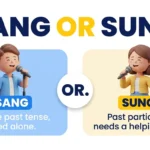
Sang or Sung: Which One Fits Your Sentence?
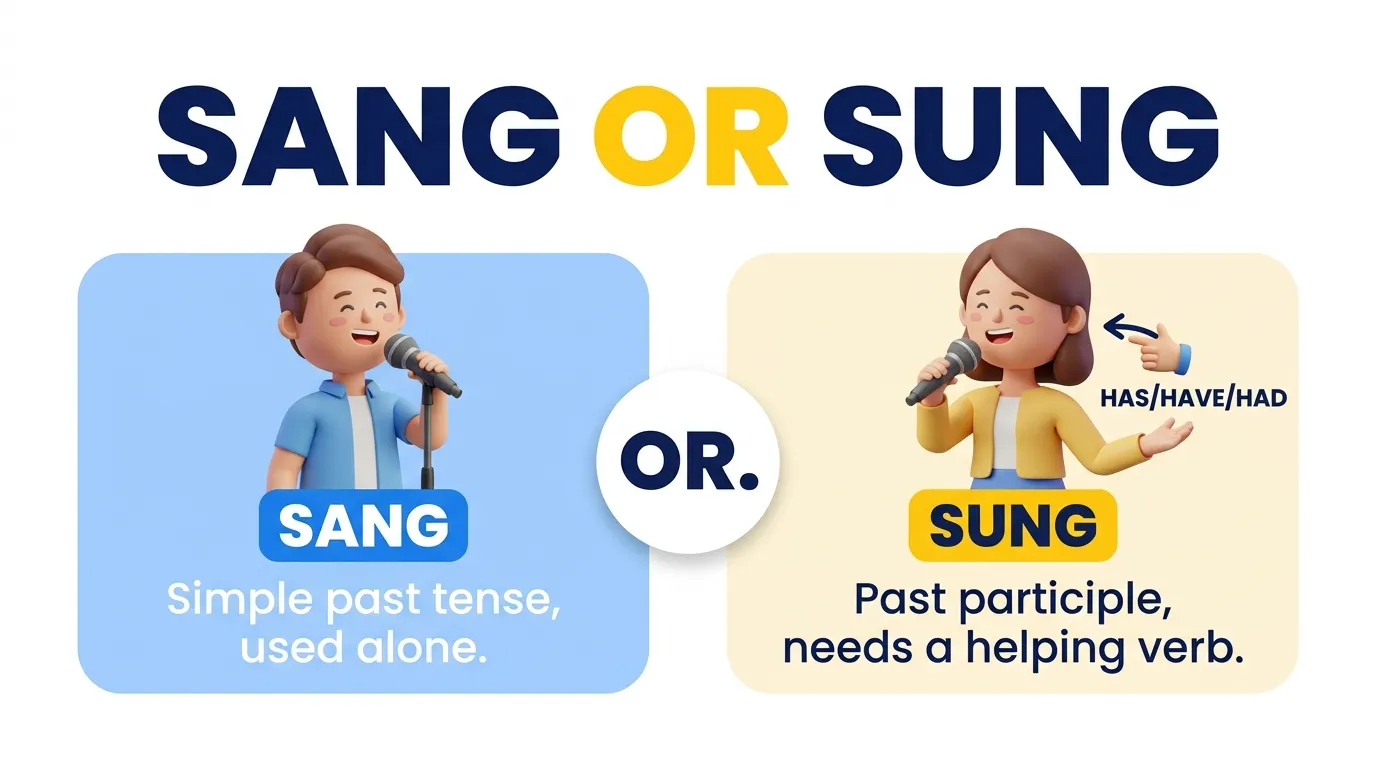
Use sang for the simple past tense (“She sang a song”). Use sung with a helping verb like has, have, ...
Read more
This or That: Easy Guide to Meaning and Use

This or that means choosing between two options, ideas, or things, usually to show a preference or make a simple ...
Read more
Gasses or Gases: When to Use Each
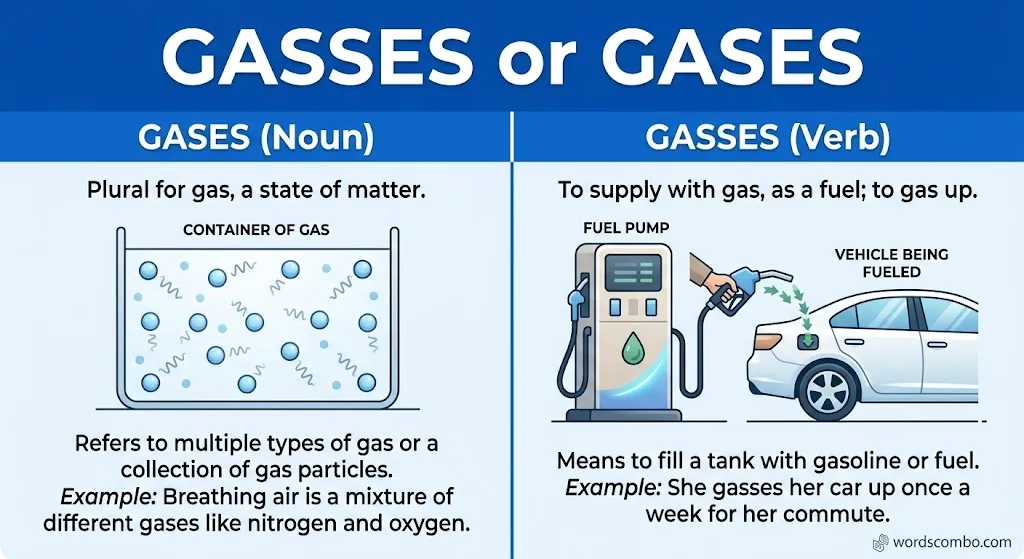
Gases is the standard plural of gas. Gasses is also a valid word, mainly as the third-person singular form of ...
Read more
Cced or CC’d: The Easy Way to Get It Right
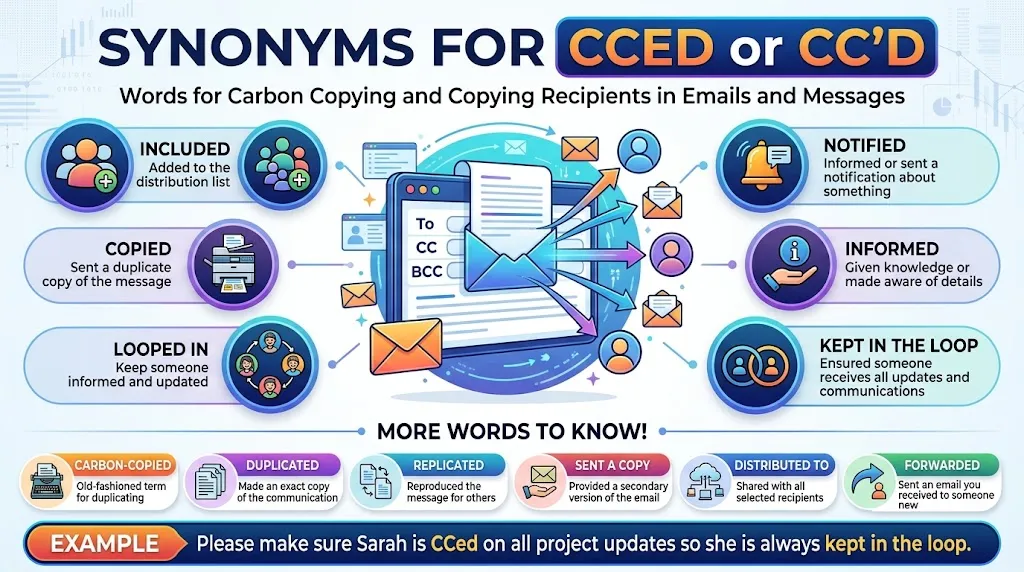
cced and CC’d both mean that someone was sent a copy of an email, but CC’d is often easier to ...
Read more
Ccing or CC’ing: The Easy Spelling Guide
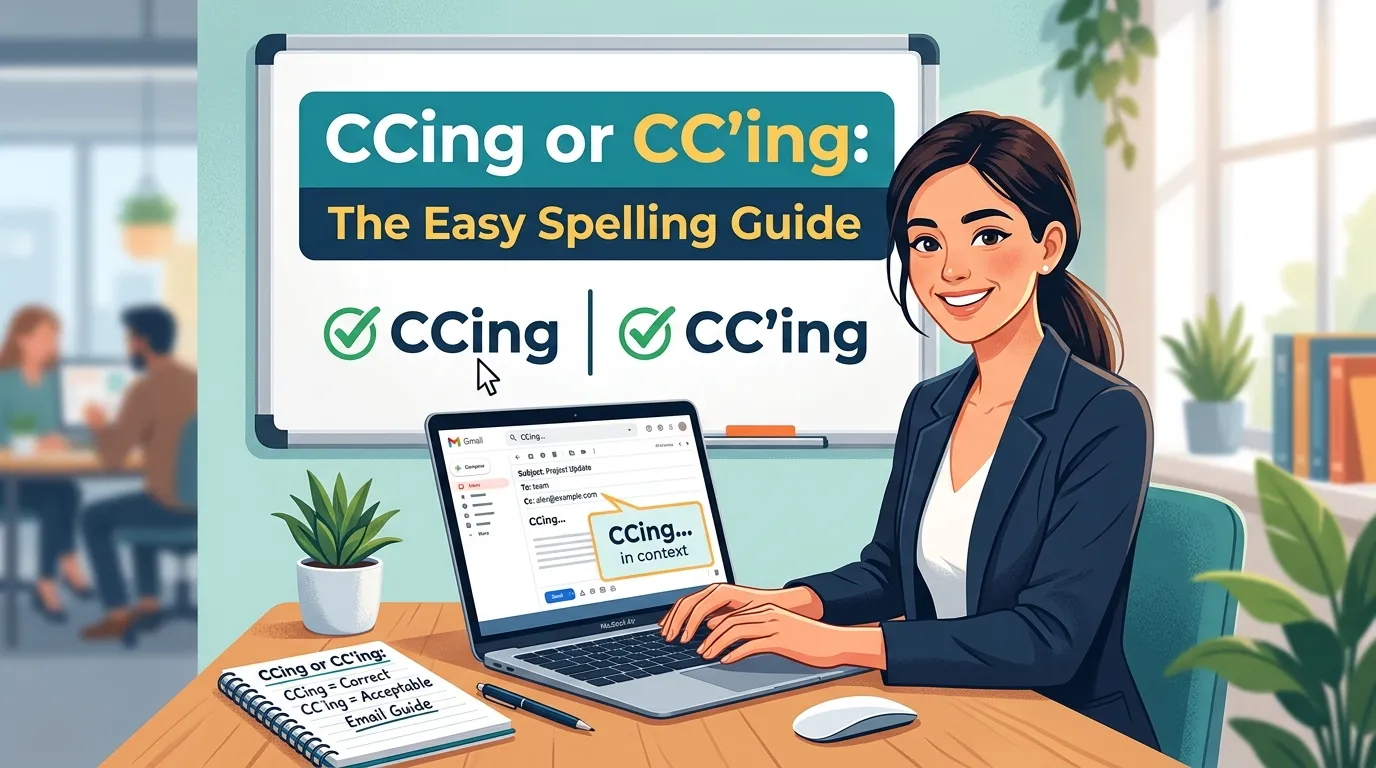
CC’ing is the clearest and most widely accepted spelling when you use cc as a verb. Ccing is also seen, ...
Read more
Into or In To: Complete Guide to Use Them Correctly
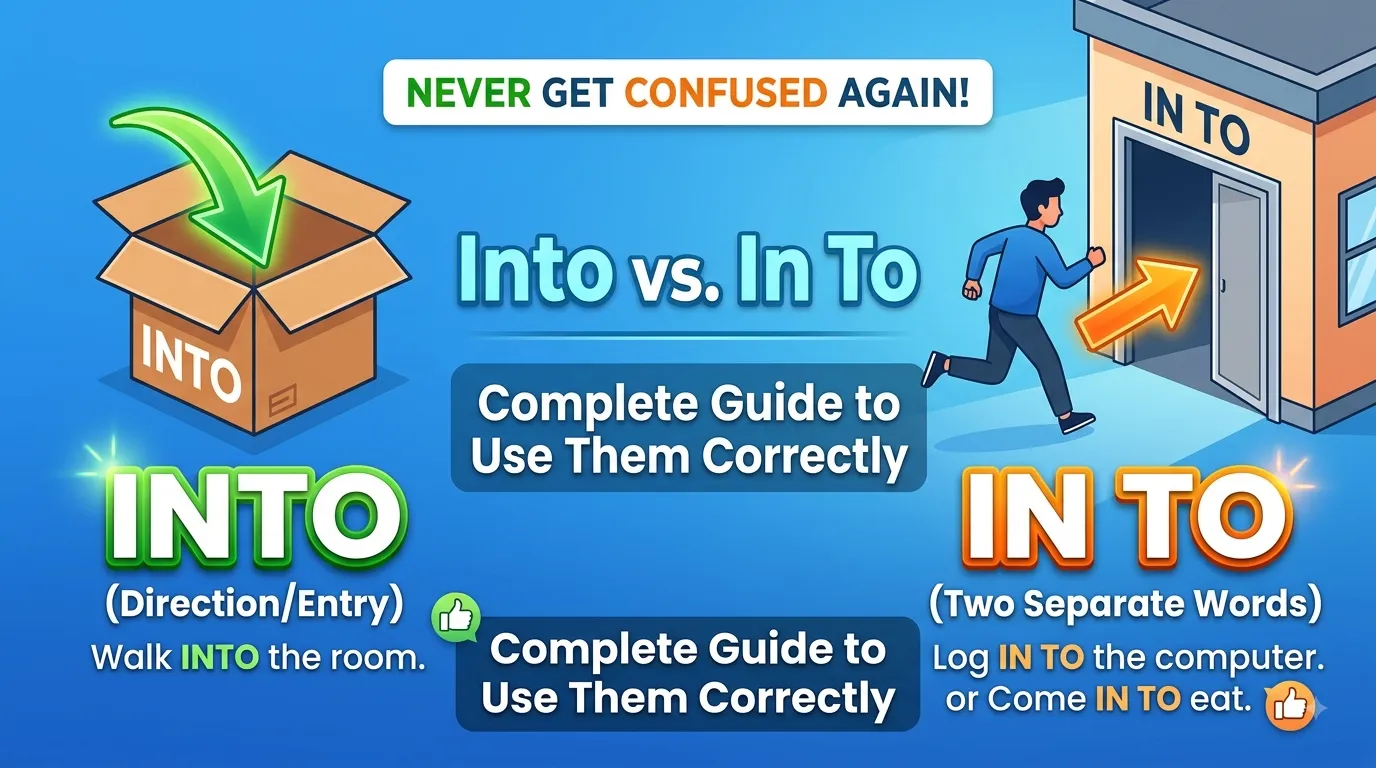
Into or in to are often confused, but they have different uses. “Into” shows movement or change from one place/state ...
Read more
i.e. or e.g.: Complete Guide to Use Them Correctly
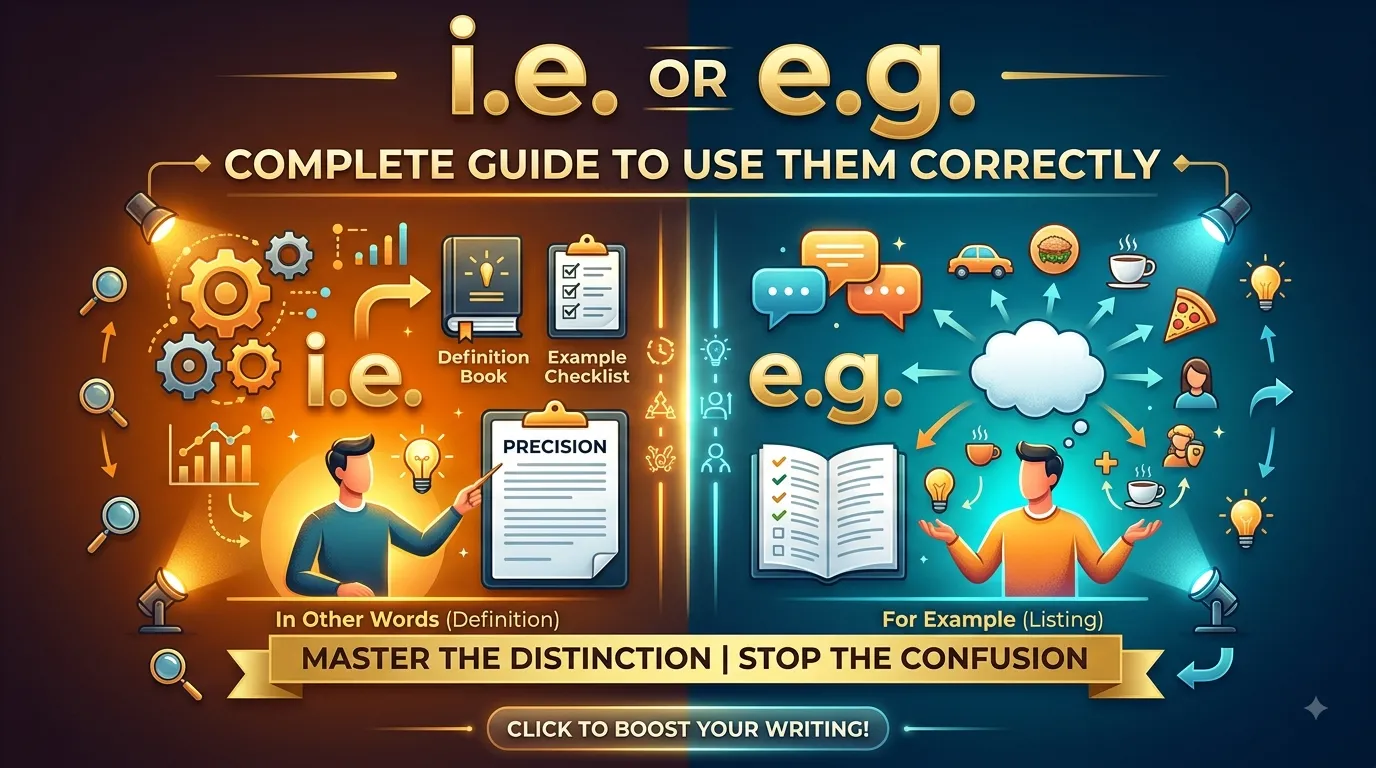
i.e. or e.g. are Latin abbreviations used in English writing. i.e. means “that is” and explains something more clearly, while ...
Read more
Colon or Semicolon: Complete Guide to Use Them Correctly
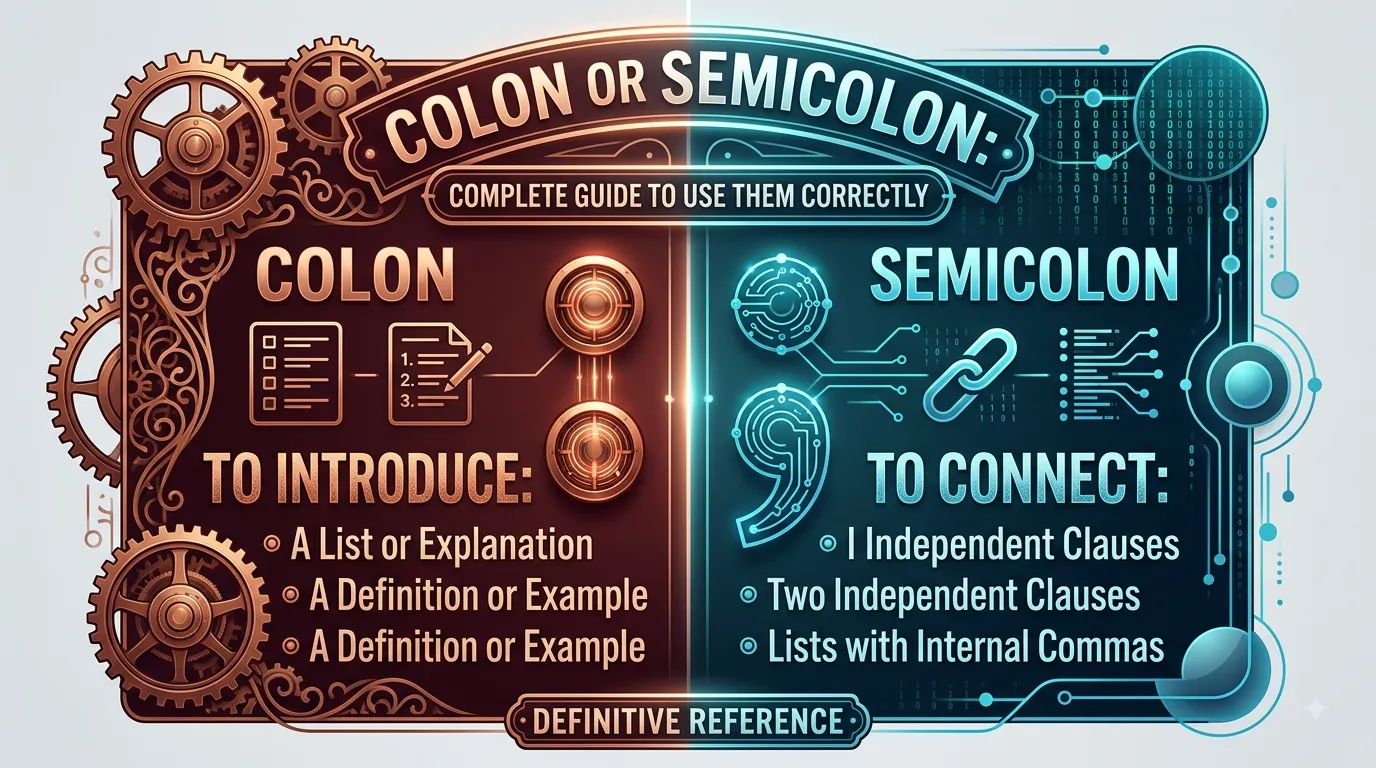
A colon introduces or explains something that follows, while a semicolon connects two closely related independent sentences. Use a colon ...
Read more
Me or I: Complete Guide to Using Them Correctly
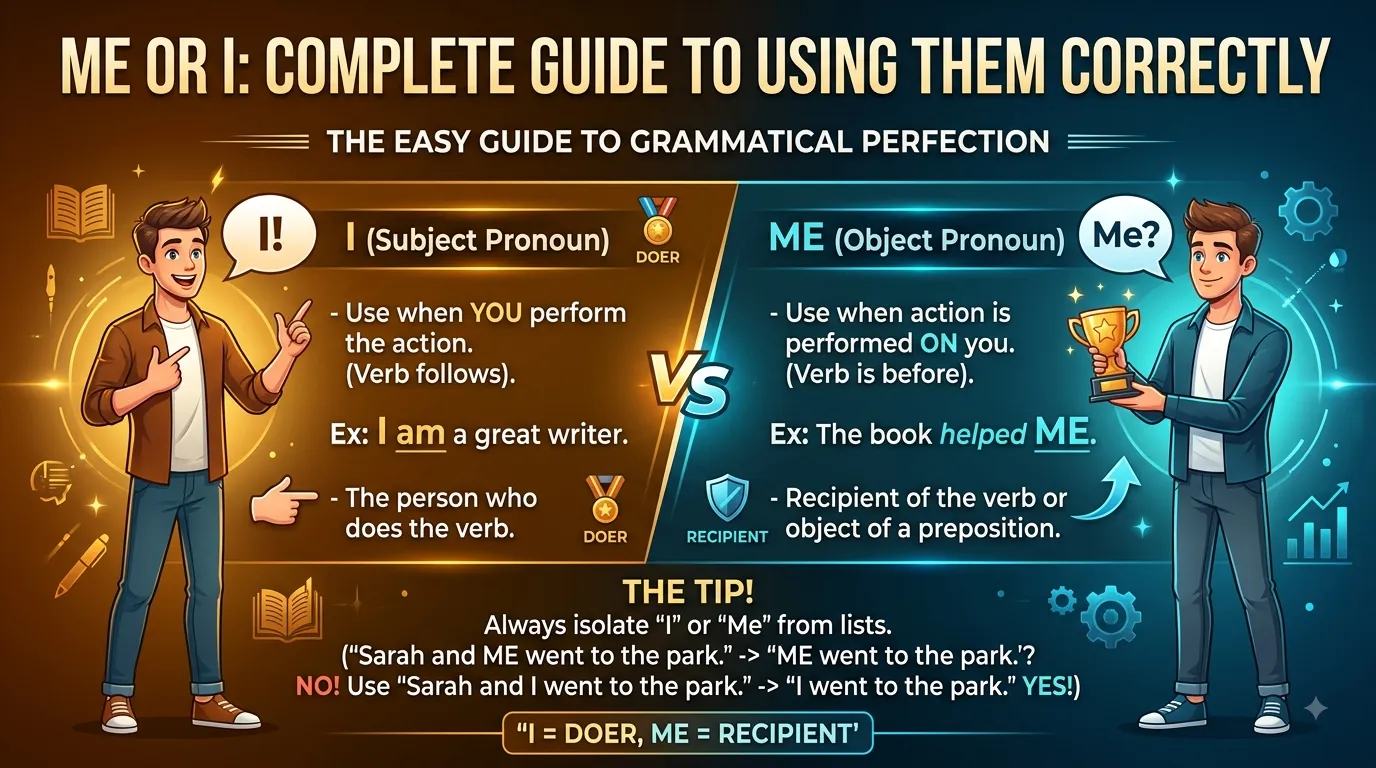
“Me” and “I” are both first-person pronouns, but “I” is used as the subject of a sentence, while “me” is ...
Read more
Shall or Will: The Easy Guide to Future English

Shall and will both talk about the future, but will is now the normal choice in most English. Shall is ...
Read more