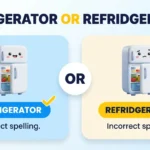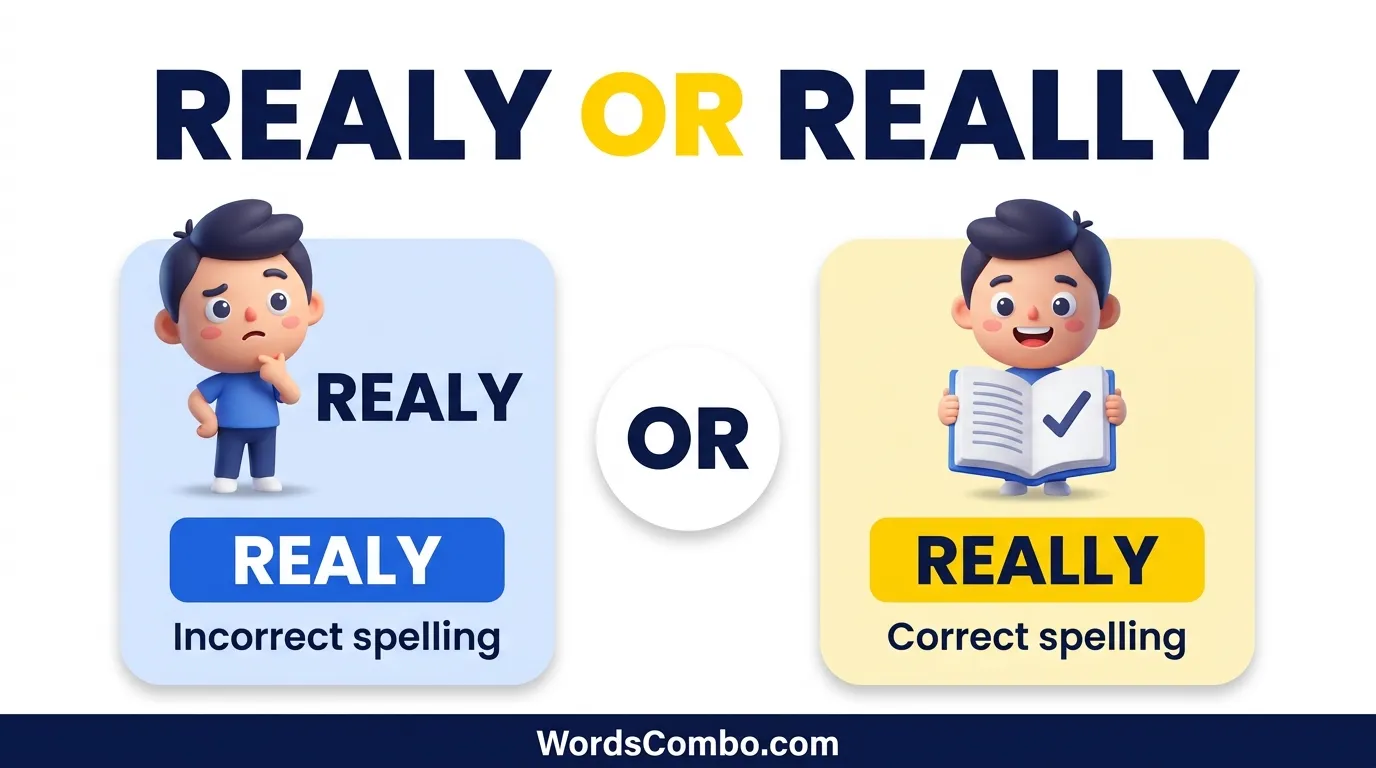
Really is the correct spelling. Realy is a spelling mistake. Use really when you mean “very,” “truly,” or “in fact.”
When you type a quick email or message, you might write “I am realy happy to help.” However, your spell checker may mark realy with a red line because it is missing a letter. The correct sentence is “I am really happy to help.”
Although both spellings look similar, only really is correct in standard English. Once you learn the simple spelling rule, you can avoid this mistake in schoolwork, work emails, and everyday chats.
Realy or Really: Quick Answer
Really is the correct spelling in English, while realy is incorrect. You need two Ls in the middle of really.
For example:
- Correct: I am really glad you came.
- Incorrect: I am realy glad you came.
Remember, whenever you want to say “very” or “truly,” write really.
The Origin of Really
The word really comes from real, which means actual or true. The word real has roots in a Latin word linked to things or objects.
Over time, English speakers added the ending -ly to form really. This ending helps turn an adjective into an adverb, a word that can describe how something happens or how strong something is.
However, the spelling keeps both Ls from really. Since real already ends in L and the ending -ly starts with L, the finished word has two Ls.
That is why realy is not the standard spelling, even though it may look like a natural shortcut.
Realy vs Really: Key Differences
The main difference is simple: really is a real English word, but realy is a misspelling.
What Does Really Mean?
Really can mean “very,” “truly,” or “in fact,” depending on the sentence. It can make a feeling stronger or show that something is true.
For example:
- The movie was really funny.
- I really want to learn English.
- Did you really see a bear?
In the first sentence, really means “very.” In the second, it adds strength to the speaker’s feeling. In the third, it asks whether something actually happened.
What Does Realy Mean?
Realy is not the correct spelling in standard English. People may type it by mistake when they forget the second L.
For example:
- Incorrect: She is realy kind.
- Correct: She is really kind.
Although readers may understand what you mean, the spelling error can make your writing look less polished. Therefore, always use really in schoolwork, emails, reports, and online posts.
Comparison Table
| Term | Meaning | When to Use | Region/Context |
| Really | Very, truly, or in fact | In correct English sentences | Standard English worldwide |
| Realy | Misspelling of really | Do not use in normal writing | Spelling error |
Which One Should You Use?
You should always use really because it is the correct spelling in both American and British English. The word does not change its spelling by region.
- For students: Write really in essays, homework, and exams because spelling mistakes can affect your marks.
- For professionals: Use really in emails and reports, although a more direct word may sound better in formal writing.
- For English learners: Remember that really has two Ls, even when you hear only a short sound.
- For social media users: You can use really in posts, comments, and messages without worrying about regional spelling.
In short, there is no need to choose between two accepted spellings. Really is correct every time.
Common Mistakes with Realy or Really
Even confident writers can make small spelling mistakes. However, a few simple checks can help you avoid them.
1. Leaving Out One L
- Incorrect: I am realy excited.
- Correct: I am really excited.
This error happens because people type quickly and miss a letter. Therefore, check that really contains two Ls.
2. Thinking Realy Is an American Variant
- Incorrect: American English uses realy.
- Correct: Both American and British English use really.
Some English words have different regional spellings, but this is not one of them.
3. Trusting Every Spell Checker
A spell checker may miss an error in some situations, especially when a word is part of a name or unusual text. So, learn the correct spelling instead of relying only on software.
4. Using Really Too Often
- Less effective: I am really happy, really excited, and really glad.
- Better: I am happy, excited, and glad.
Although really is correct, using it too often can make writing feel repetitive. Instead, choose words that express your meaning clearly.
5. Using Really in Every Formal Sentence
Really is accepted in formal English, but it may sound casual when used to add emphasis. For example, “We are really pleased” is fine, while “We are very pleased” may fit a formal letter better.
Really in Real-World Examples
The correct spelling matters in many types of writing. Here are some examples you can use as a guide.
Professional Email
“Thank you for your help. I am really pleased with the results.”
This sentence sounds friendly and clear. For a more formal tone, you could replace really with very.
News Headline
“Local Team Is Really Happy After Its Big Win”
A headline may use really to express strong feelings. However, news headlines often use shorter wording to save space.
Social Media Post
“I am really excited about my new job!”
This is a natural way to share good news with friends and followers.
Formal Document
“The new plan is really helpful for our team.”
The spelling is correct, but “The new plan is very helpful for our team” may sound more formal.
Realy or Really: Data, Trends and Usage
People search for realy or really when they want to check a spelling, correct a typo, or improve their English. This is a clear example of spelling-check intent because the reader wants a quick answer rather than a long grammar lesson.
The topic can be useful for several groups:
- English learners who are learning common adverbs.
- Students who want to avoid spelling mistakes.
- Writers and professionals who need clear, correct writing.
- Everyday users who check words before sending messages.
The key insight is that the two spellings differ by just one letter. Because the word is used so often in daily English, learning its correct form can help you write with more confidence.
Exact search volumes and current ranking trends can change over time, so no specific search figures are claimed here.
Realy or Really: Comparison at a Glance
| Term/Variant | Meaning | Region/Context | Best Used When |
| Really | Very, truly, or actually | American and British English | In all standard writing |
| Realy | Incorrect spelling of really | Not a standard regional variant | Never in normal English writing |
Frequently Asked Questions
Is it realy or really?
Really is the correct spelling, with two Ls. Realy is a spelling mistake, so use really in your writing.
What does really mean?
Really can mean very, truly, or actually. For example, “I am really happy” means you are very happy.
Why is really spelled with two Ls?
The word comes from real plus the ending -ly. As a result, the standard spelling is really, with two Ls together.
Is realy ever correct in formal writing?
No, realy is not the standard spelling in formal English. Therefore, use really in essays, work emails, reports, and other documents.
Is really spelled differently in American and British English?
No, both American and British English use really. Unlike words such as color and colour, this word has one standard spelling in both regions.
Can I use really in a formal email?
Yes, really is grammatically correct in a formal email. However, words such as very, truly, or particularly may fit some formal sentences better.
What is an easy way to remember really?
Think of the word as real + ly = really. Since real ends in L and -ly begins with L, the correct spelling has two Ls.
Final Thoughts on Realy or Really
The choice between realy or really is simple once you know the rule. Really is the correct spelling, while realy is a typo. Both American and British English follow the same spelling.
Remember these three points: really has two Ls, it can mean “very” or “truly,” and it works in both casual and formal writing. However, in professional documents, consider whether a word such as very or truly fits your sentence better.
Next time you write an email, finish an assignment, or post a message, take a moment to check your spelling. Keep the second L, write with confidence, and share this simple rule with someone learning English.
Curious about more confusing spellings? Explore Trainning or Training.

I started writing about English word differences after years of teaching students who kept making the same mistakes. My focus is on making spelling rules feel simple and easy to remember. At WordsCombo, I turn confusing word pairs into clear comparisons.