That or Which: The Simple Rule You Need to Know
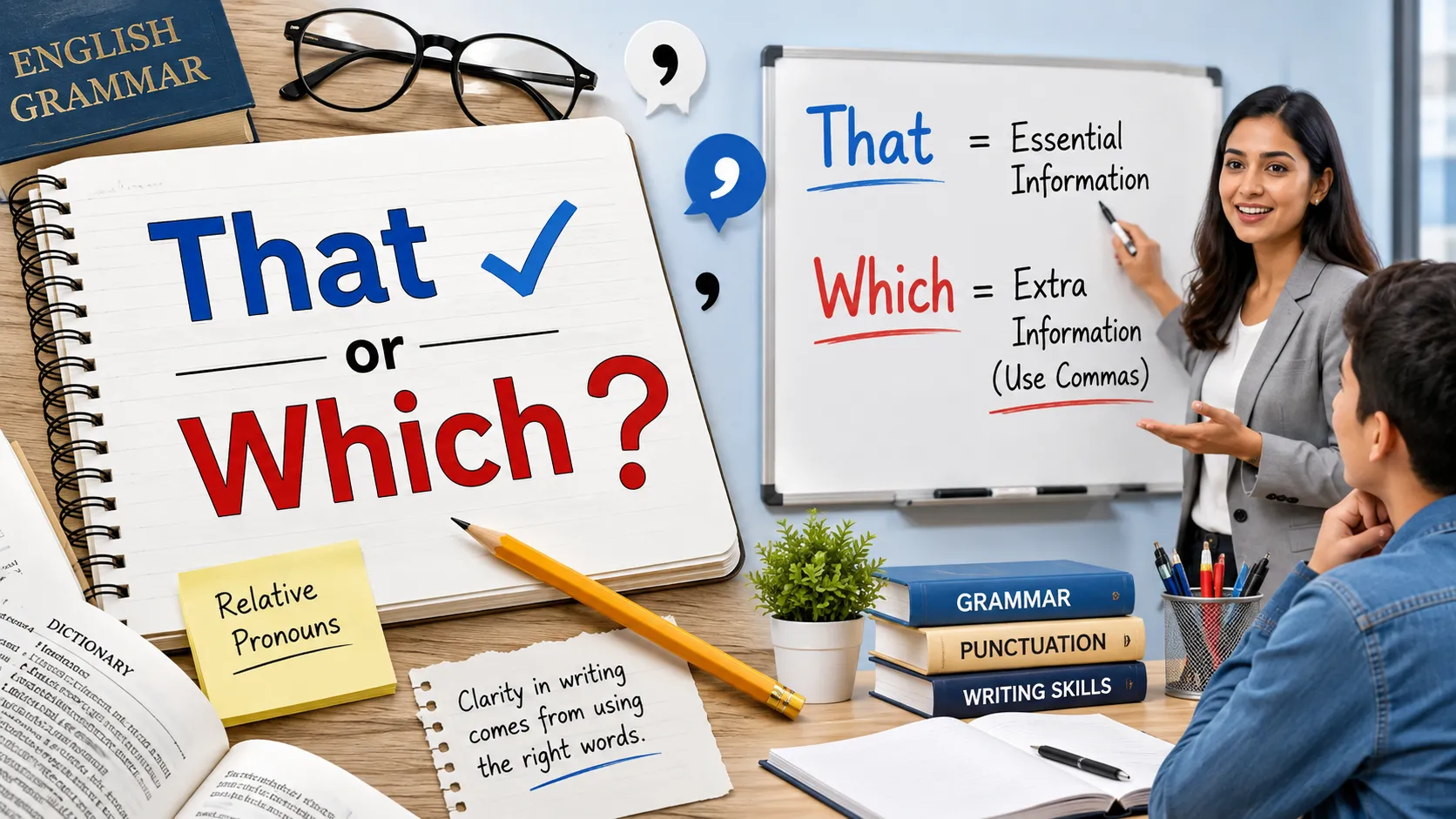
That and which are both relative pronouns, but they are used differently. That introduces essential information, while which introduces extra ...
Read more
Can or May: What’s the Difference? Easy Guide to Usage
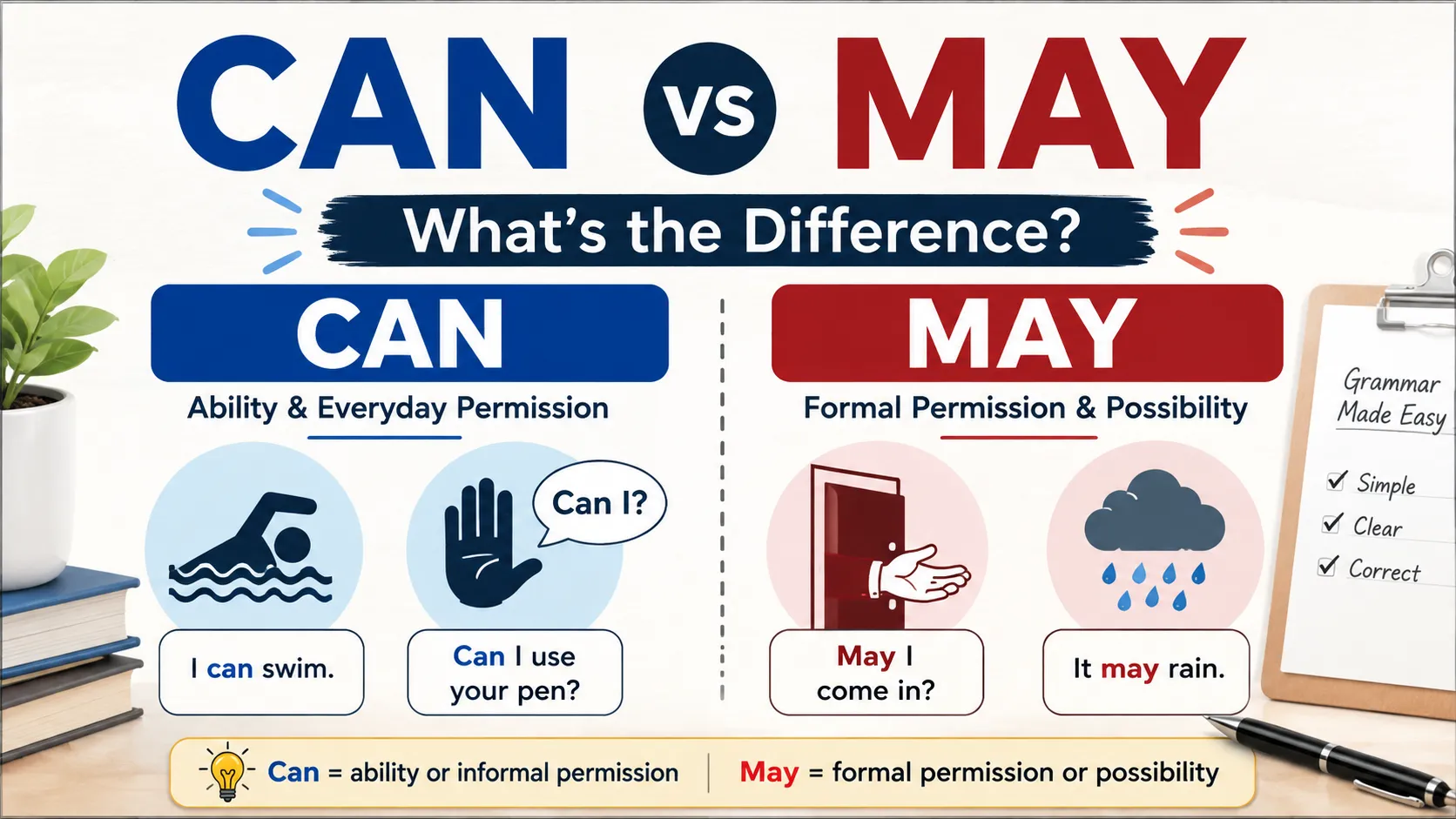
Use can for ability and common permission. Use may for formal permission and possibility. Have you ever stopped while writing ...
Read more
Your or You’re: The Complete Guide to Using Them Correctly
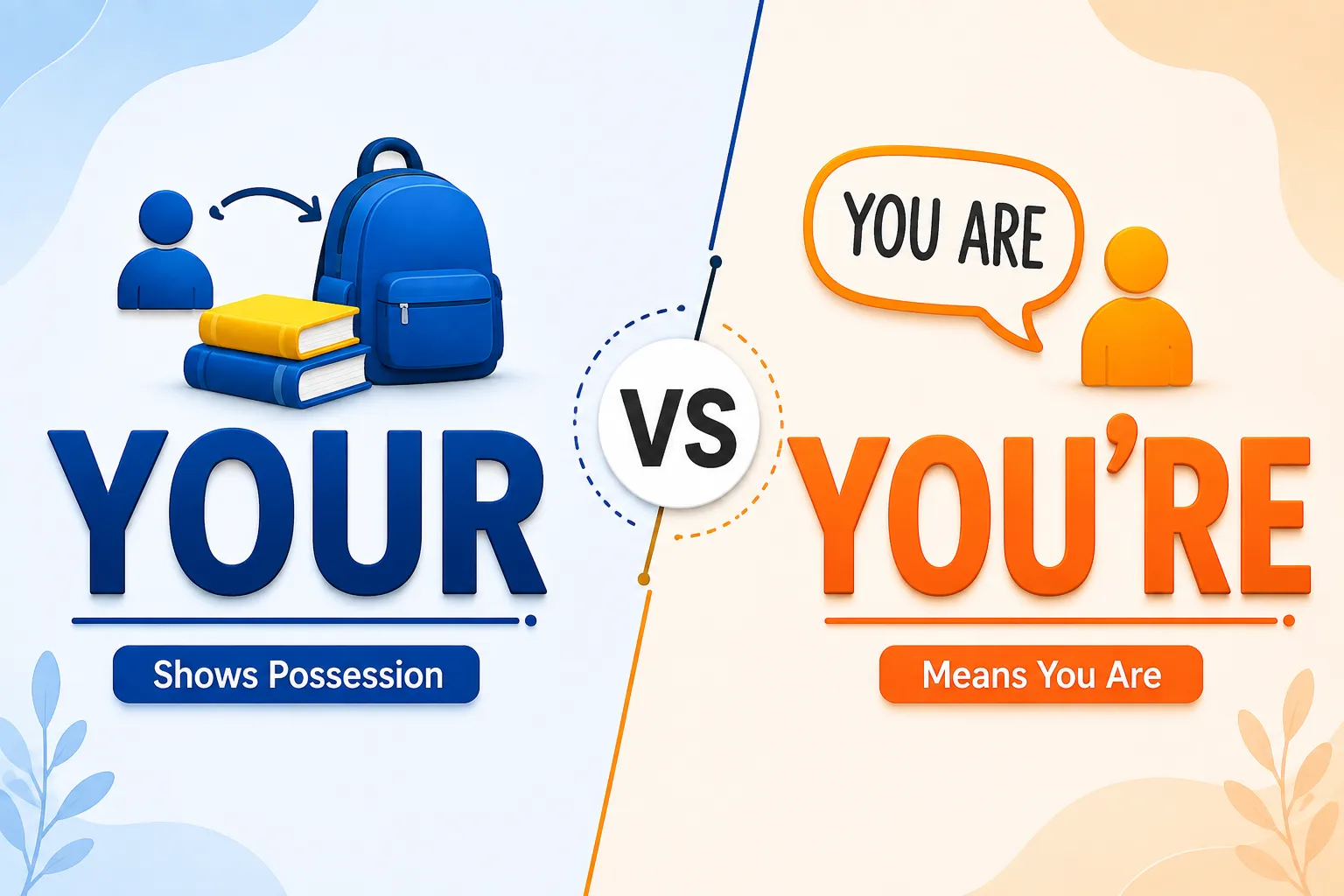
Your shows ownership, while you’re is short for you are. If you can replace it with you are, use you’re; ...
Read more
There, Their, or They’re: Easy Guide with Examples
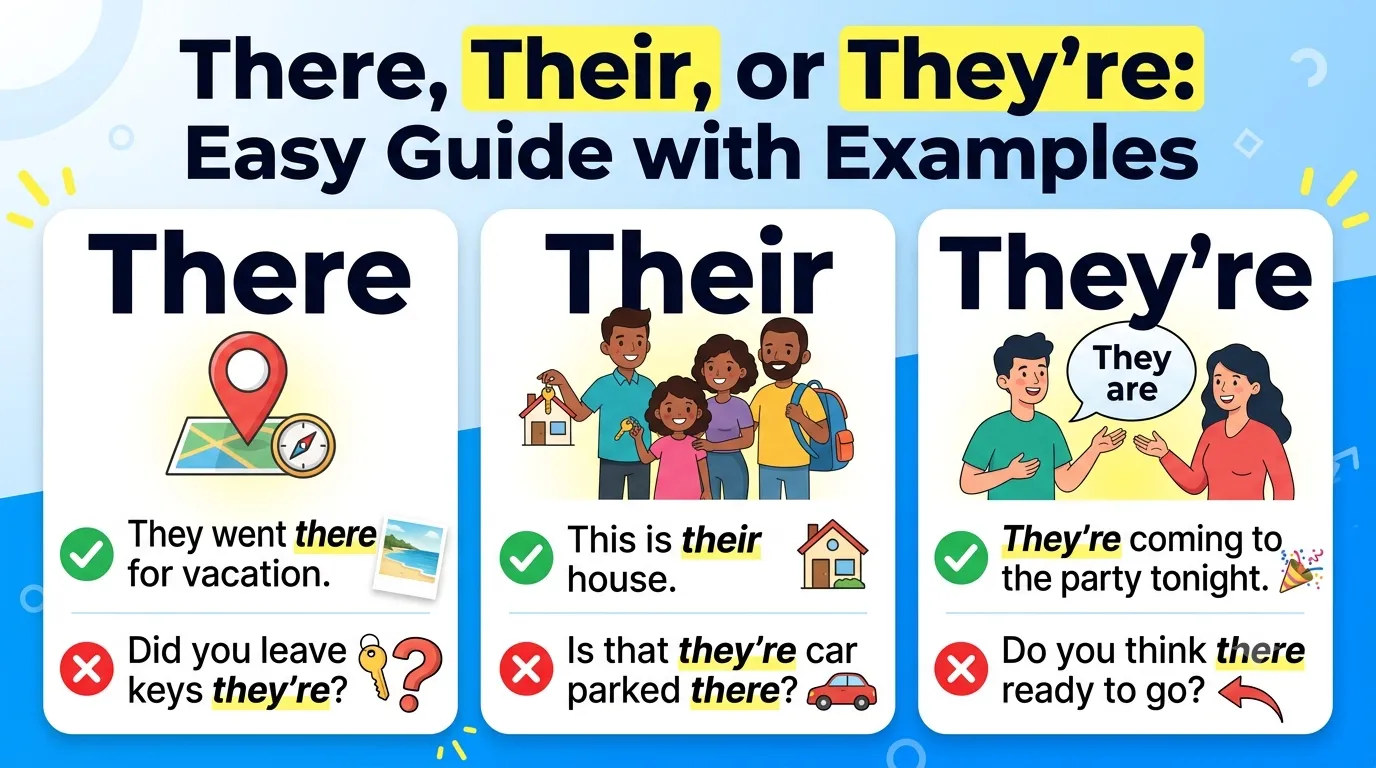
There refers to a place or introduces a sentence. Their shows ownership, and they’re is short for they are. Knowing ...
Read more
Click or Clique: Master the Difference Easily

Click means pressing a button or making a short snapping sound, while clique means an exclusive group of friends who ...
Read more
Chock or Choke: What’s the Difference? Easy Guide
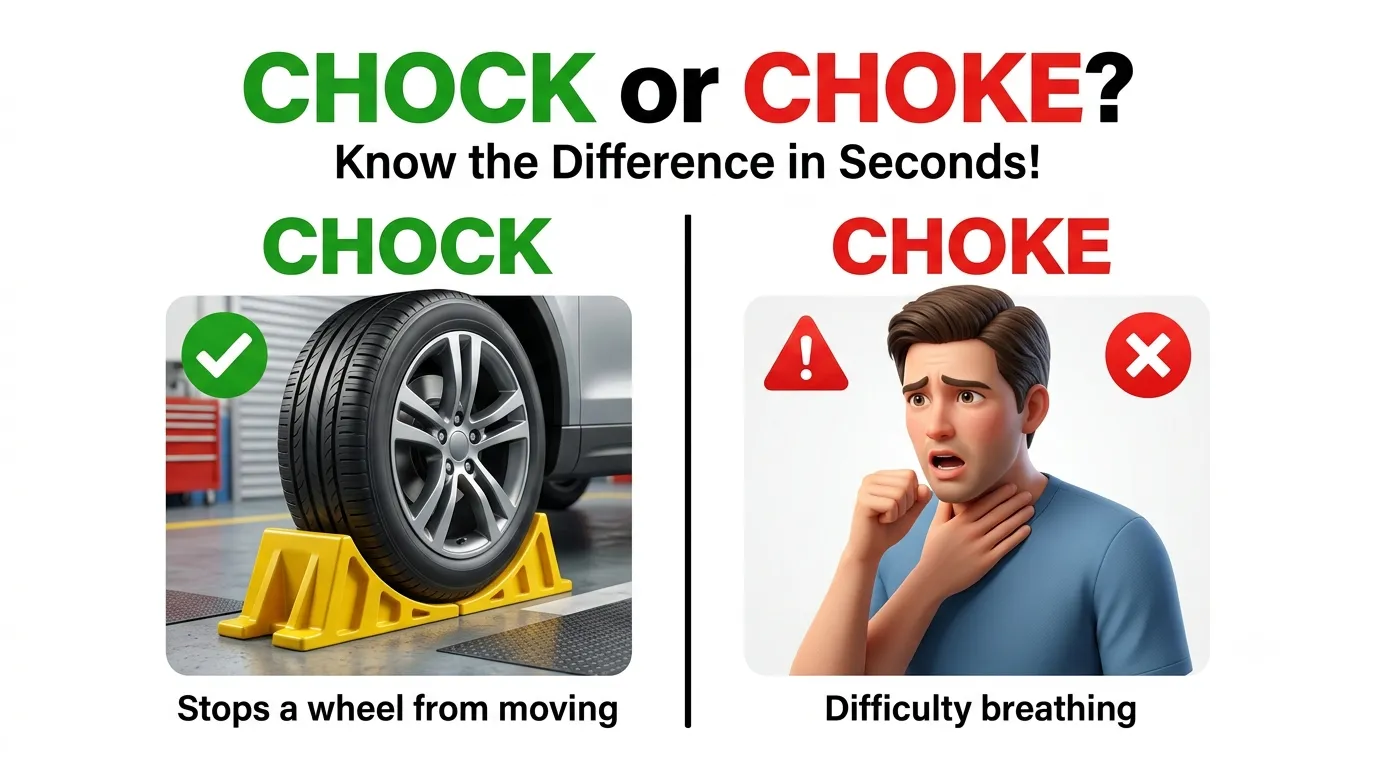
Chock and choke are different words with different meanings. Chock means to block or secure something so it cannot move, ...
Read more
Tares or Tears: What’s the Difference?
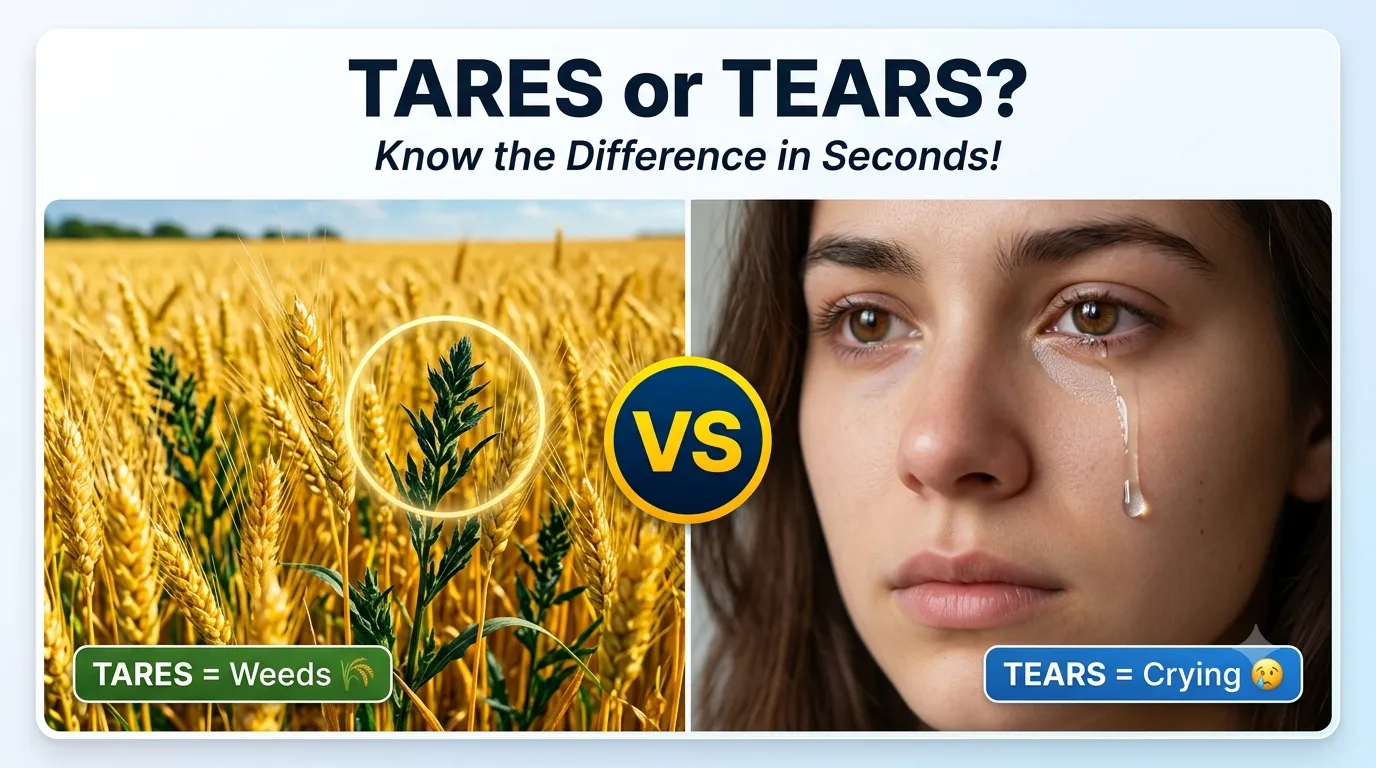
Tares are unwanted weeds that grow among crops, while tears are drops of water from your eyes or the act ...
Read more
Knead or Kneed: Easy Guide to Correct Usage
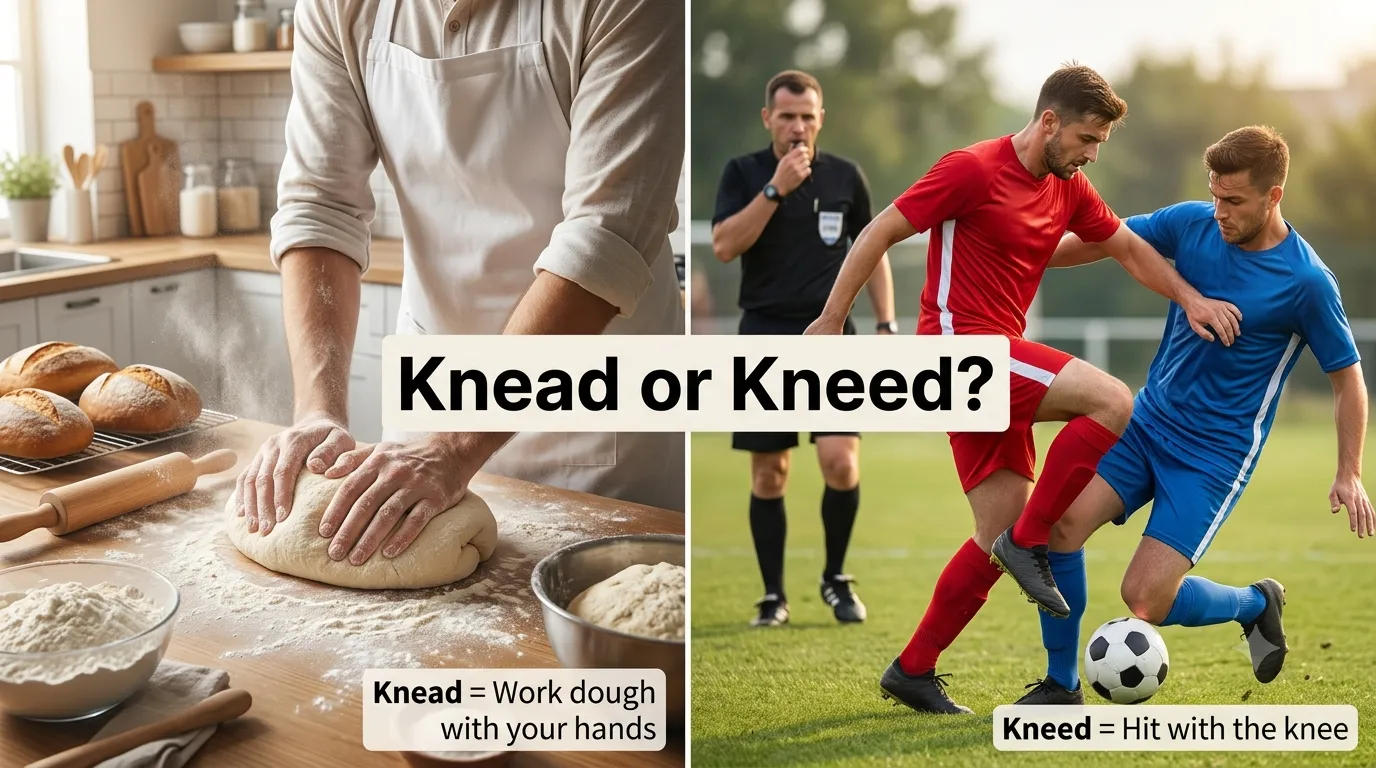
Knead means to press and fold dough or something soft with your hands. Kneed is the past tense of knee, ...
Read more
Siting or Citing: The Complete Guide to Using Them Correctly
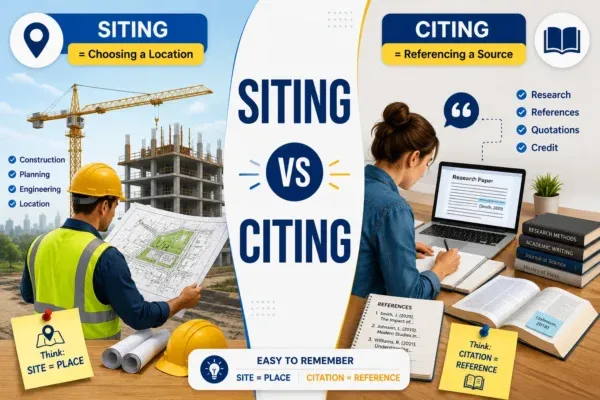
Siting means choosing or placing a location for something, such as a building, road, or wind farm. Citing means quoting ...
Read more
Bolder or Boulder: Easy Guide to Correct Usage
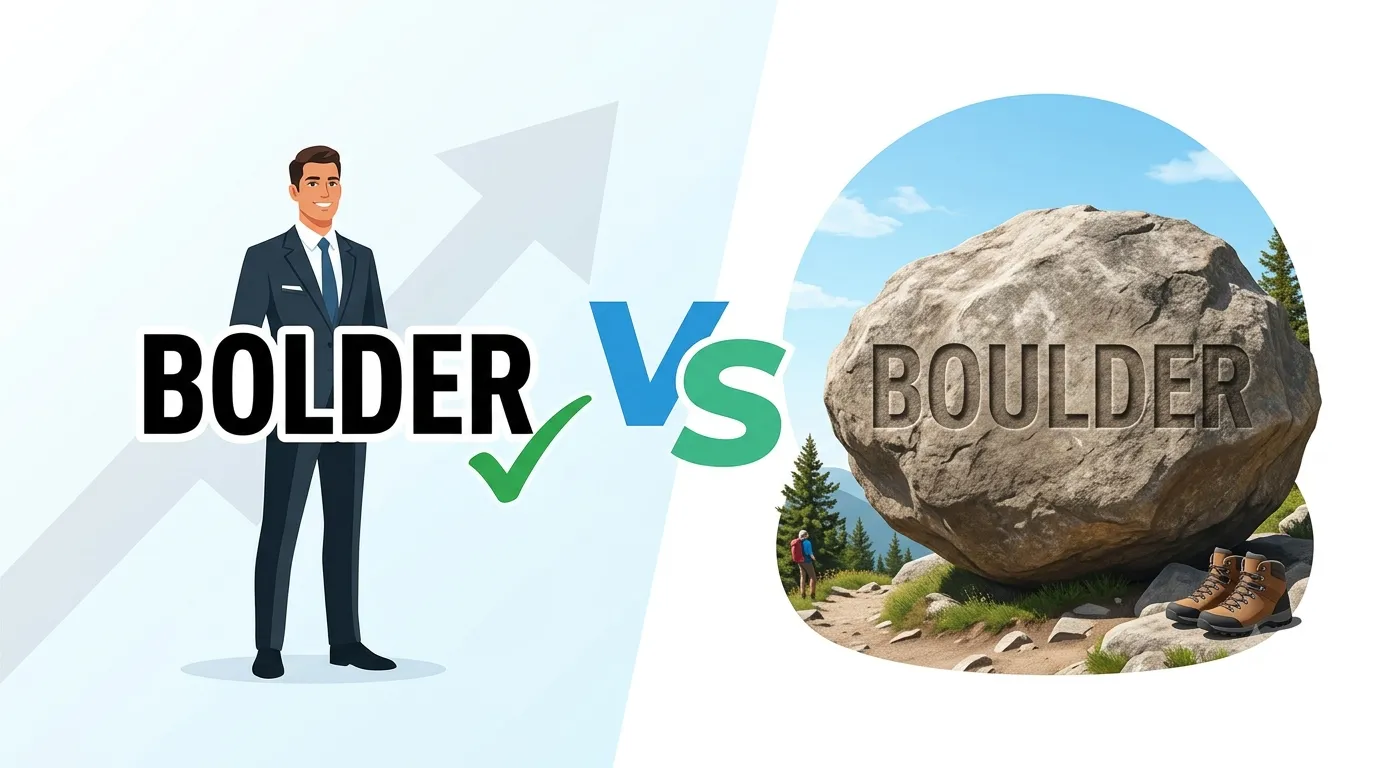
Bolder is the comparative form of bold, meaning more confident, stronger, or darker in appearance. Boulder refers to a large ...
Read more