Receive or Recieve: Which Is Correct?

Receive is the correct spelling in English. Recieve is a spelling mistake. If you want to write about getting something, ...
Read more
Quite or Quiet: What’s the Difference? Easy Guide
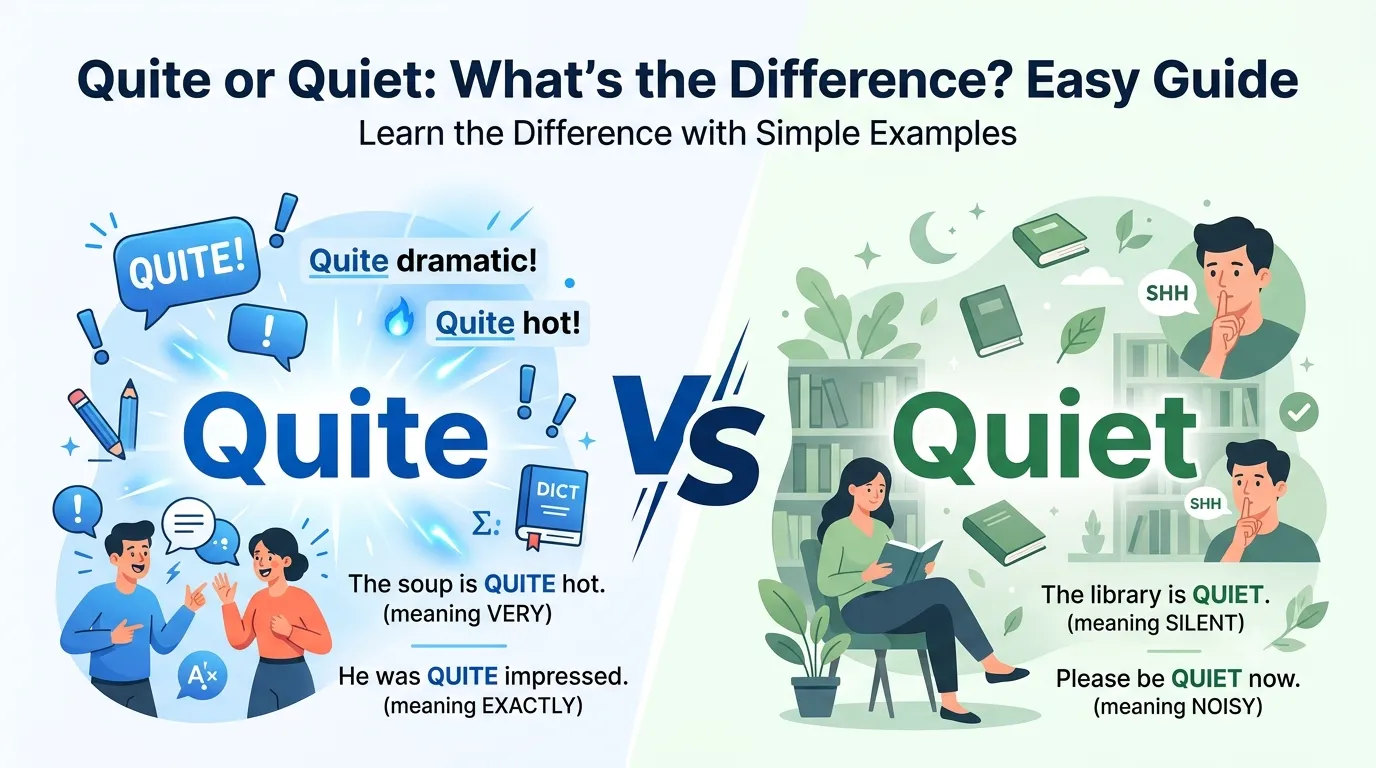
Quite means fairly, completely, or very, while quiet means silent or making little noise. Although they look similar, they have ...
Read more
Purposely or Purposefully: The Complete Guide to Correct Usage
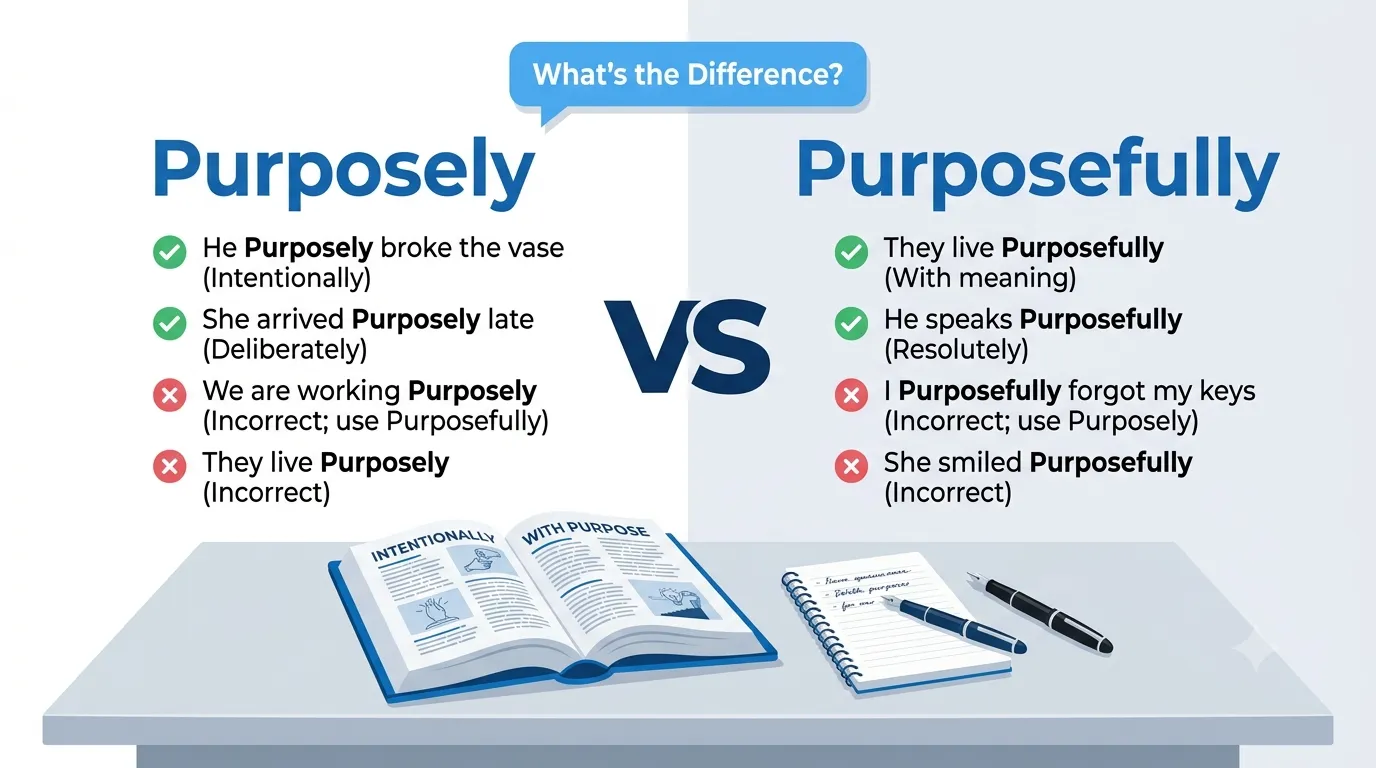
“Purposely” and “purposefully” are both correct English words, but they are not always interchangeable. Purposely means on purpose or intentionally, ...
Read more
Perform or Preform: The Easy Guide to Using the Right Word

Perform means to do, carry out, or present an action or task, while preform means to shape or make something ...
Read more
Recurrence or Reoccurrence: Complete Guide to Correct Usage
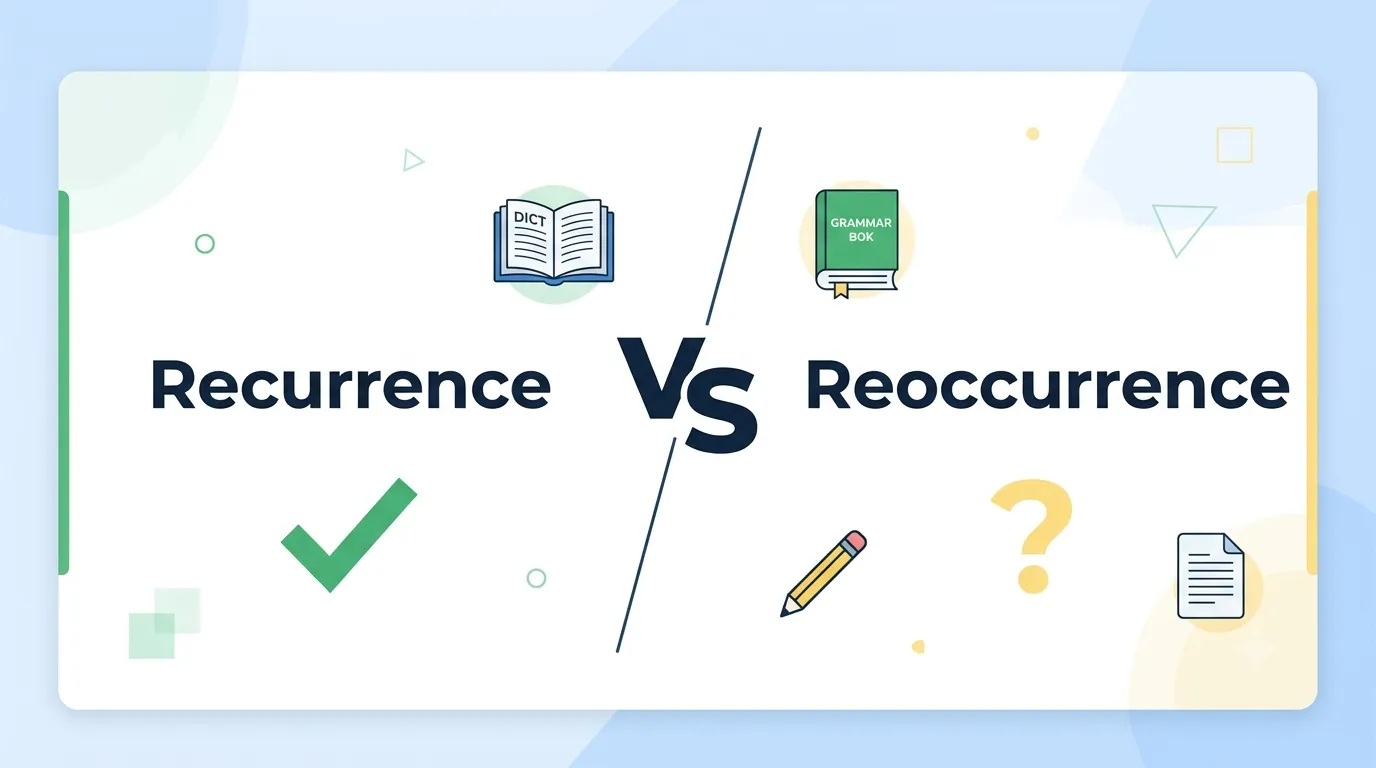
Recurrence is the standard and preferred English word for something that happens again. Reoccurrence also means something happens again, but ...
Read more
Loosing or Losing: The Complete Guide to the Correct Spelling
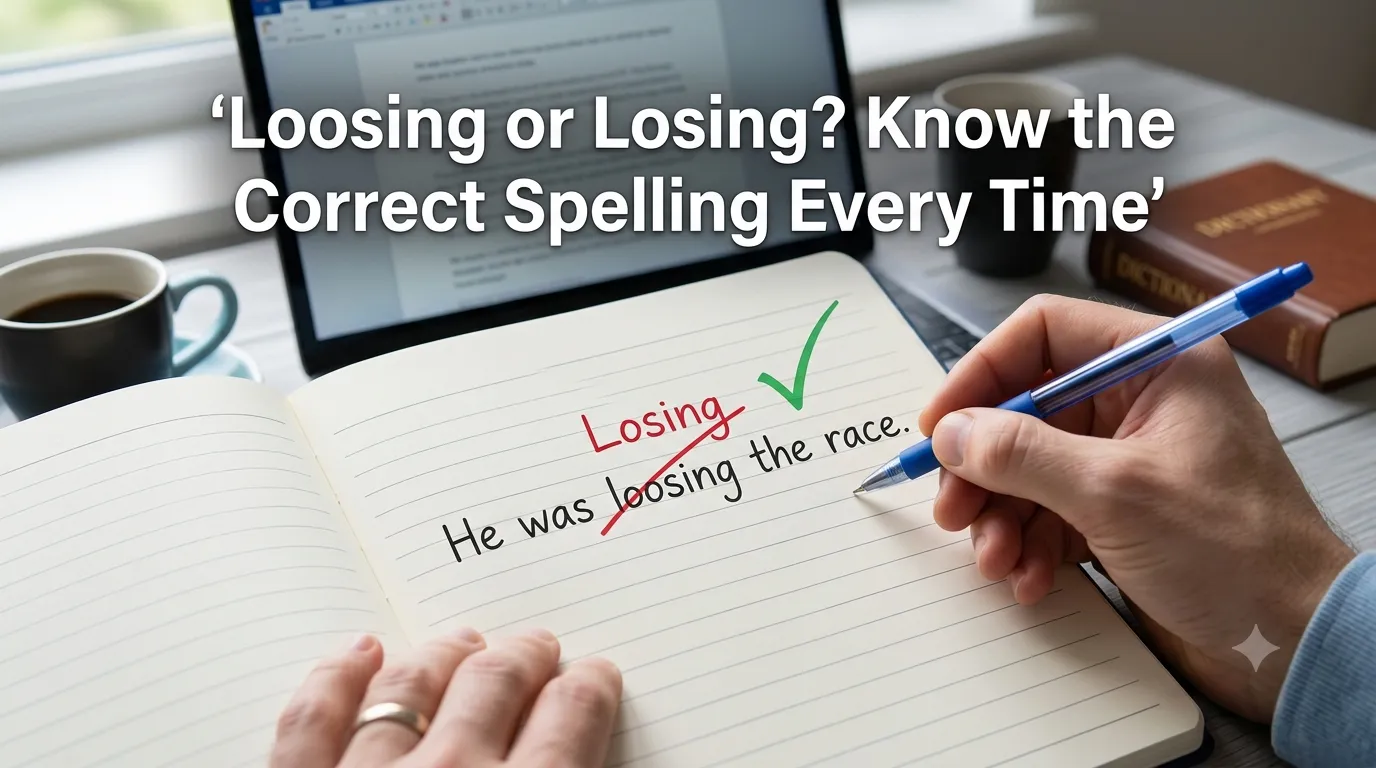
Losing is the correct spelling when you mean not winning or no longer having something. Loosing is a real word ...
Read more
Gist or Jist: Only One Is a Real Word
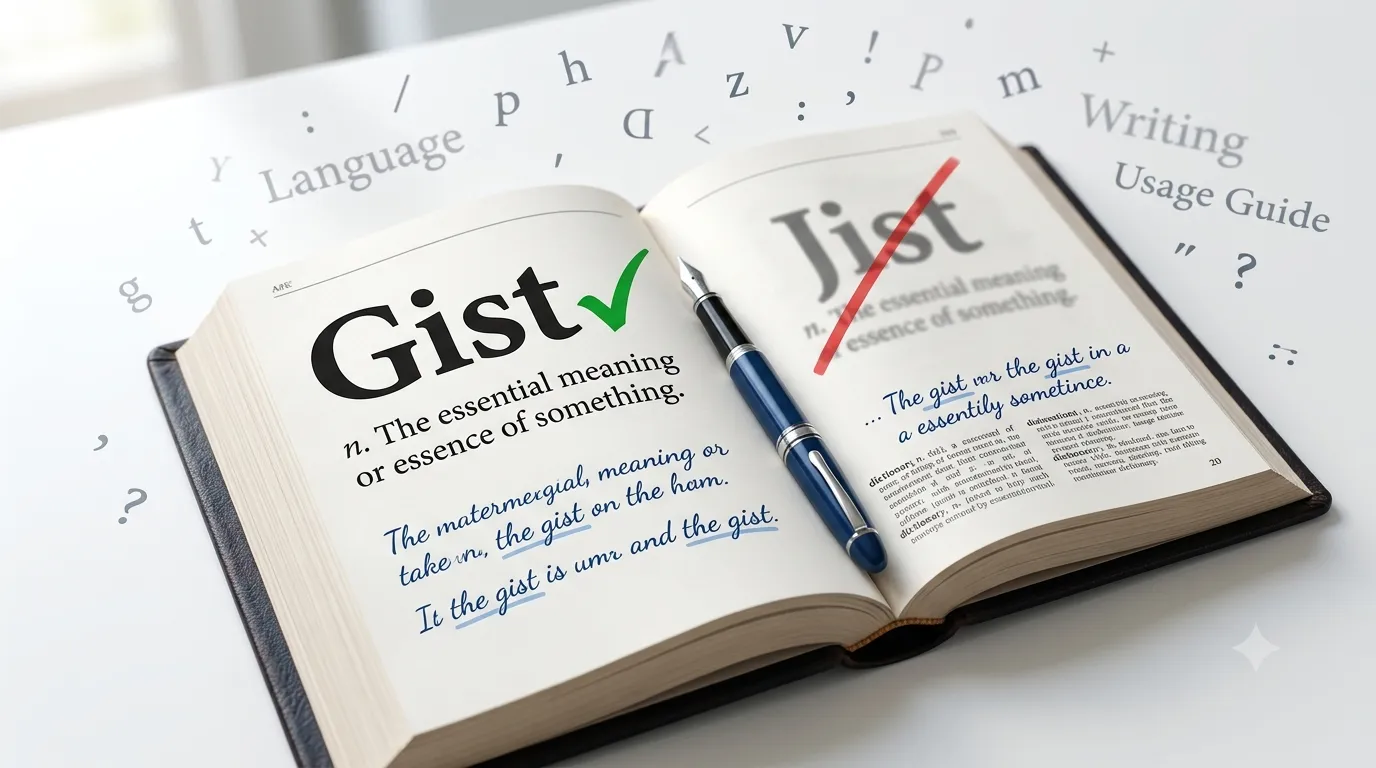
“Gist is the correct spelling, it means the main point or essence of something. Jist isn’t a dictionary word; it’s ...
Read more
Advisers or Advisors: The Complete Usage Guide

Advisers and advisors have the same meaning. Both describe people who give advice. The only difference is the spelling. Adviser ...
Read more
Fiance or Fiancee: The Complete Guide to Using Them Correctly
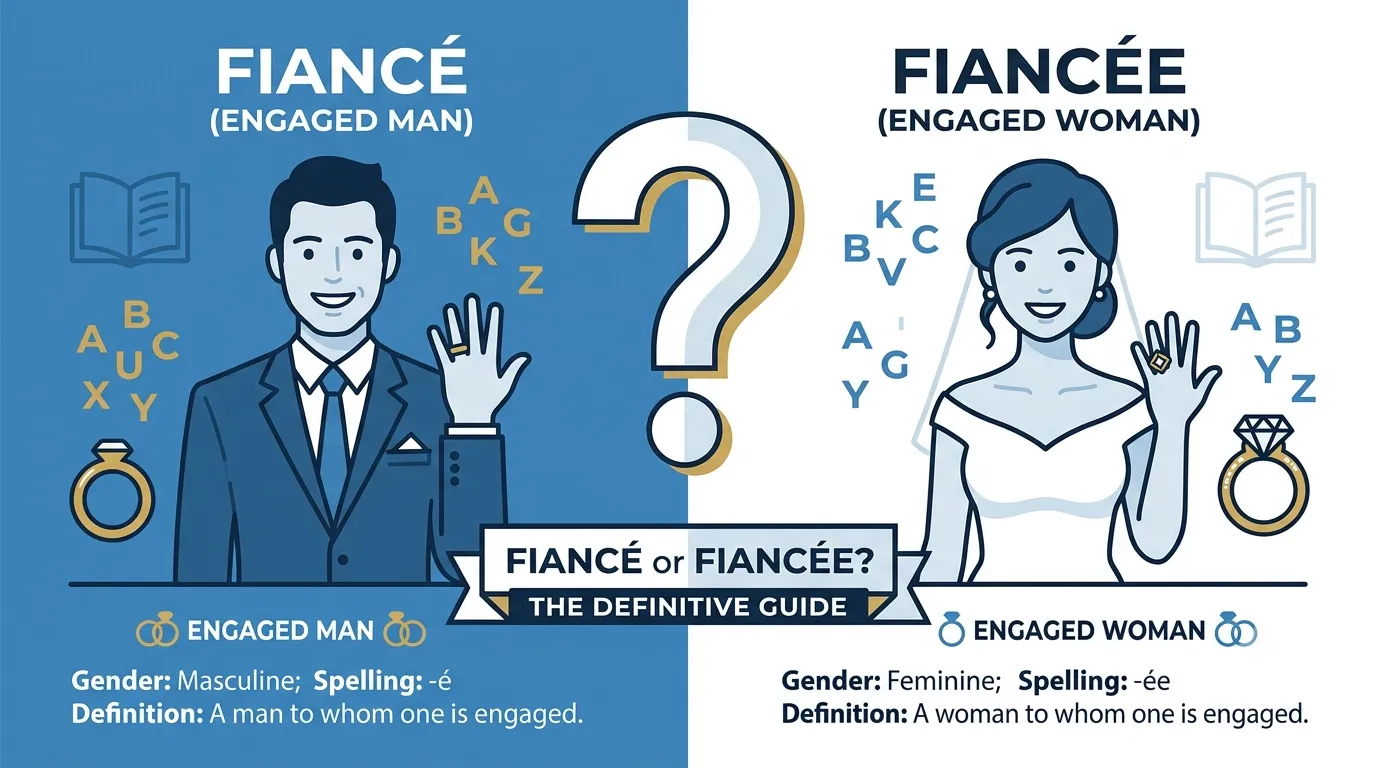
Fiancé is the correct word for an engaged man, while fiancée refers to an engaged woman. The only difference is ...
Read more
Compliment or Complement: Complete Guide
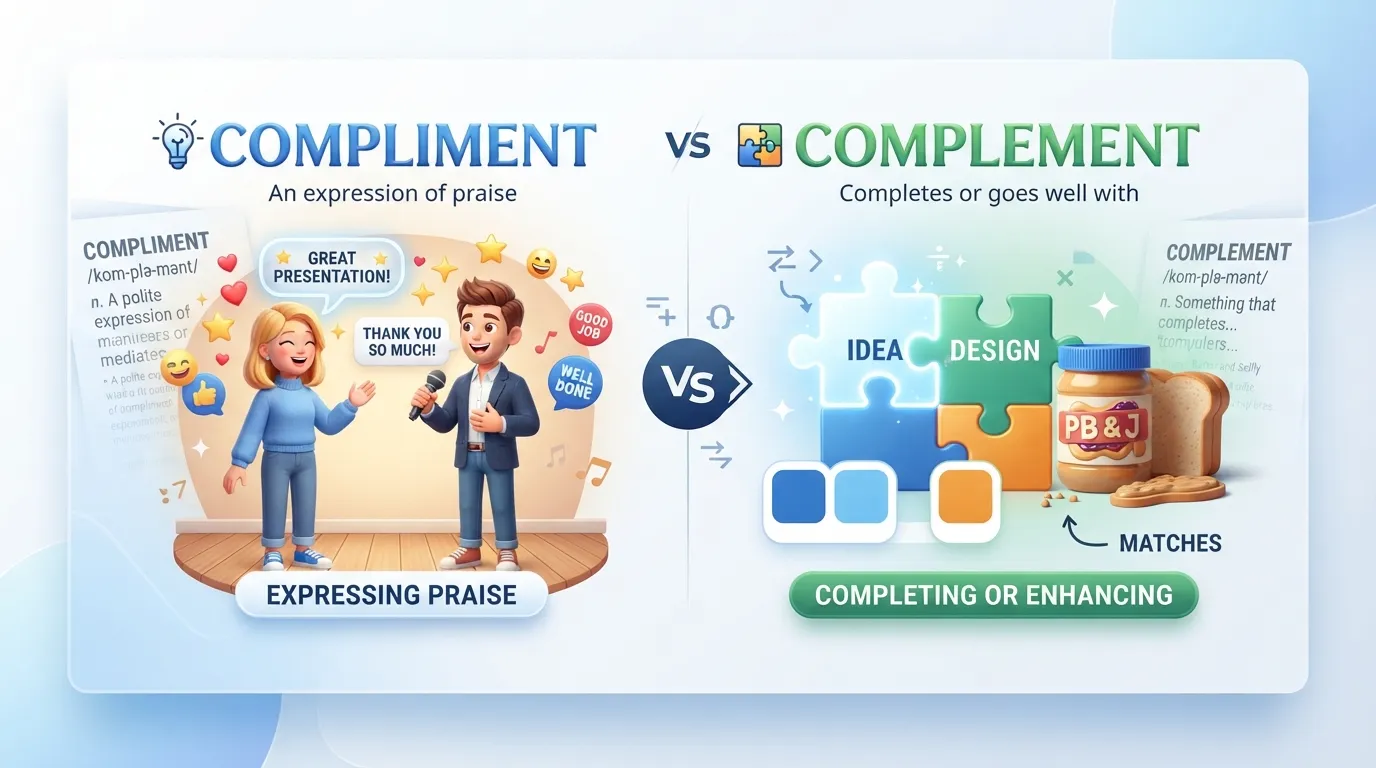
Compliment means a kind word or praise. Complement means something that completes, matches, or improves something else. They sound alike ...
Read more